
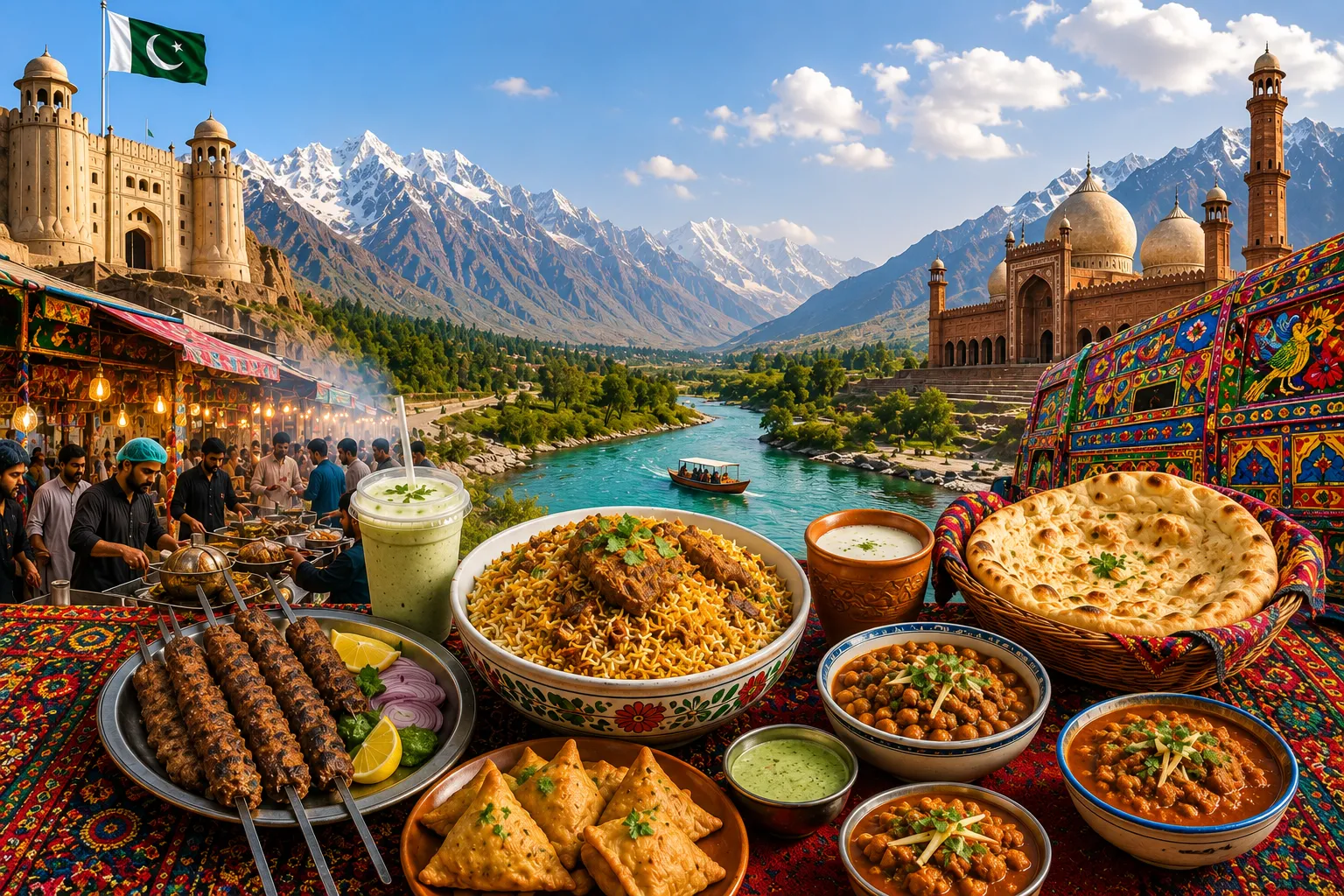
In this article, you will read about food tourism in Pakistan and the reason it’s a favorite among tourists. Food tourism is when individuals travel to various destinations to try distinct dishes and savor local tastes. Pakistan is a food enthusiast’s paradise, with a combination of spicy curries, grilled meat, street food, and delicious sweets. Every province has its own favorite dishes, from Lahore’s BBQ to Karachi’s seafood.
You will also learn how food tourism supports the economy, local small businesses, and Pakistani culture in this article. Food festivals, online marketing, and improved hygiene allow Pakistan’s food tourism to expand even further, attracting foodies from all corners of the world.
Food tourism is all about visiting and eating various types of food. Individuals travel to taste good food, walk on food streets, and acquire knowledge about various cuisine types. Pakistan is the best destination for foodies. It contains spicy, sweet, and traditional food.
Pakistani food culture has been shaped by Mughal, Persian, and Central Asian foods. Pakistani food is filled with a wide variety of flavors, and each province boasts of its specialty foods. Be it sizzling Lahore BBQ or hot seafood from Karachi, food travel in Pakistan offers a taste bud-tickling experience packed with thrilling flavors and new experiences.
What is Food Tourism?
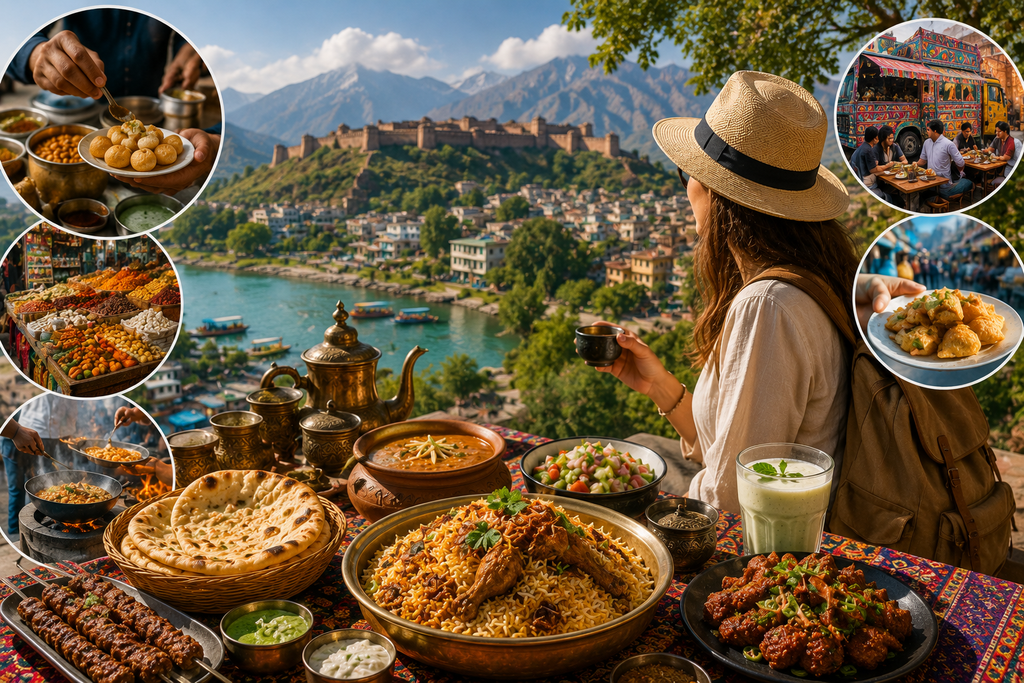
Food tourism involves visiting in order to taste various types of food. It is an integral part of visiting new destinations. Most tourists prefer local food as it speaks about people, their history, and culture.
It’s not just food; it is new taste experiences, seeing what traditional meals were like to cook, and accessing cultural history. Most visitors are organizing itineraries on the basis of top food places or specialty food in an area. Food markets, street markets with food stalls, and eateries serving native specialties are of central importance when welcoming food travellers.
It offers customers the possibility of interacting with citizens, trying secluded culinary delicacies, and accessing genuine foodstuffs.
- Trying Local Dishes: Food tourists sample traditional foods prepared using unique spices and cooking methods.
- Visiting Food Markets: These places are full of fresh ingredients and snacks.
- Learning to Cook: Some tourists attend cooking classes to learn local recipes.
- Enjoying Food Festivals: Many countries have special festivals that celebrate their food culture.
Food is not just about eating—it is about culture, history and adventure.
Why is Food Tourism Popular in Pakistan?
Pakistan is one of the world’s most ideal locations for foodies due to its mouthwatering foods and distinct flavors. Various cultures have inhabited Pakistan for many centuries, leaving behind diverse cooking methods and recipes.
- Rich Culinary Heritage: Pakistani cuisine has been shaped by the influence of Mughal, Persian, and Central Asian cuisine.
- Varied Regional Cuisine: Each province has its own specialties, ranging from spicy curries to grilled meat.
- Delicious and Inexpensive Food: Pakistani street food is both tasty and inexpensive.
- Hospitality of Pakistanis: Pakistanis enjoy sharing their food with visitors, and tourists feel at home.
Food tourism in Pakistan is developing rapidly due to the fact that tourists enjoy tasting its traditional and street food.
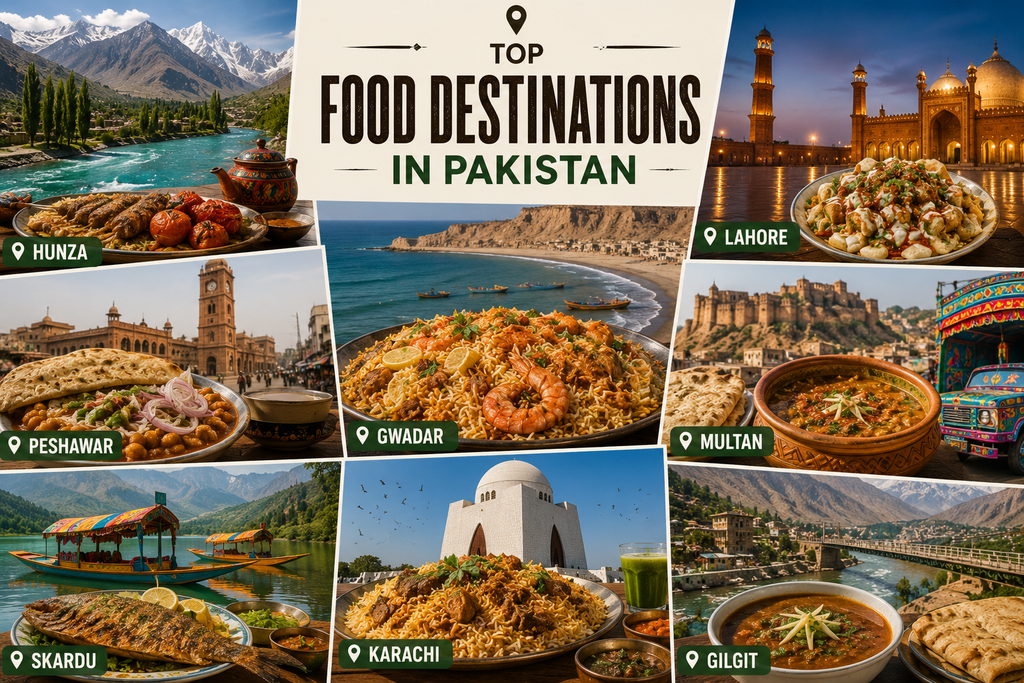
Top Food Destinations in Pakistan
Pakistan is renowned for its tasty food, rich flavors, and special spices. Each city has some special dishes that draw food enthusiasts. From street food to restaurants, Pakistan has a plethora of tasty food options. If you enjoy spicy curries, barbecued meats, or sweet desserts, there is something for everyone.
The food culture of the country is highly related to its history and traditions. There are cities that are famous for their specialties, and one must visit these places if he or she loves food. To enjoy the finest food in Pakistan, the following are the destinations to visit.
Lahore: The Heart of Pakistani Cuisine
Lahore is the ideal city for food enthusiasts. It is famous for its delicious and flavorful food. The food streets of the city are never short of people enjoying delicious food.

Gawalmandi Food Street:
Known for Nihari, Siri Paye, and Halwa Puri, Gawalmandi Food Street is heaven for foodies with a penchant for traditional food.
Fort Road Food Street:
Serves delicious food in a picturesque location close to Lahore Fort.
Lakshmi Chowk:
A center of Karahi, BBQ, and Tandoori food that serves some of the best meat in Pakistan.
Lahore’s cuisine is rich in spices, butter, and native flavor, which makes each meal unique.
Karachi: The Melting Pot of Flavors
Karachi is a blend of cultures, so its food is unique. Here, you have all the dishes from across Pakistan.
- Burns Road: A popular street for Bun Kabab, Biryani, and Haleem.
- Boat Basin: Offers delicious breakfasts like Halwa Puri and Paratha Rolls.
- Do Darya: A food street by the sea, known for its seafood and BBQ.
Karachi’s food is spicy, flavorful, and perfect for those who love street food and seafood.
Islamabad – A Modern Food Hub
Islamabad is a contemporary city with an excellent cuisine. The restaurants here offer both Desi and international cuisine. The capital city boasts a variety of food, ranging from classic Pakistani cuisine to Chinese, Italian, and Middle Eastern cuisine.
There are food streets such as F-10 Markaz and Centaurus Mall that offer various scrumptious meals to suit every palate. Islamabad’s high-end restaurants, warm cafés, and vibrant street food stalls are heaven for foodies.
Whether you wish to indulge in spicy Karahi, aromatic kebabs, or a gourmet burger, Islamabad has something for everyone. Its hygienic surroundings and picturesque views add to the dining experience, making it one of the best food destinations in Pakistan.
- Melody Food Street: A suitable location to relish a blend of Desi and fast food.
- Savour Foods: Renowned for their mouthwatering Pulao and Chicken, which everyone adores.
- Saidpur Village: A historical location where you can have delicious traditional food along with a great view.
Islamabad’s food is a blend of traditional and contemporary flavors, so it is a food paradise for foodies.
What Are Popular Dishes in Pakistan?
Pakistan is renowned for its rich and savory cuisine, with a diverse array of traditional dishes that speak volume about the history and culture of the nation. From spicy curries to juicy grilled meats, each dish has a flavor of its own. Pakistani food is renowned for the use of fragrant spices, fresh fruits and vegetables, and slow-cooked methods, thus earning the pleasure of food enthusiasts.
| Dish | Famous City/Region | Description |
|---|---|---|
| Nihari | Lahore/Karachi | Slow-cooked spicy beef stew served with naan |
| Biryani | Karachi | Spiced rice dish layered with meat and herbs |
| Karahi | Punjab | Tomato-based meat curry cooked in a wok |
| Chapli Kebab | Peshawar | Spicy minced meat kebab with herbs and spices |
| Haleem | Hyderabad/Karachi | Thick mixture of lentils, wheat, and meat |
| Sajji | Balochistan | Whole roasted lamb or chicken with simple spices |
| Siri Paye | Lahore | Traditional breakfast made with trotters and spices |
| Halwa Puri | Lahore | Popular breakfast with fried bread and sweet halwa |
| Bun Kabab | Karachi | Pakistani-style spicy street burger |
| Gol Gappay | All Pakistan | Crispy snacks filled with tangy flavored water |
| Jalebi | All Pakistan | Sweet deep-fried dessert soaked in sugar syrup |
| Sohan Halwa | Multan | Famous nutty sweet from Multan |
Traditional Dishes
There are many traditional Pakistani foods consumed by the locals and tourists alike.
Some of the best-known ones are:
- Nihari: Slow-cooked stew made of beef, consumed with naan. It is rich and spicy.
Biryani: A popular rice dish with layers of meat and spices. Every city has its own version.
Haleem: A rich, spicy dish prepared from wheat, lentils, and meat.
Street Food Favorites
- Gol Gappay: Crispy balls filled with spicy water and chickpeas.
- Bun Kabab: A spicy, flavorful burger prepared with a lentil patty.
- Dahi Bhalla: A yogurt-based snack with lentil fritters and chutneys.
Sweets and Desserts
- Jalebi: A deep-fried sweet treat soaked in sugar ssugar
- Sohan Halwa: A sweet, nutty dessert prepared using milk and sugar.
- Gulab Jamun: Soft, sweet balls dipped in sugar syrup.
Significance of Food Tourism in Pakistan
Food tourism helps the economy and culture of Pakistan. It helps small enterprises, aids cultural exchange, and brings in additional tourists to the country. Pakistan is endowed with a rich food culture consisting of the mouthwatering dishes of biryani, nihari, and kebabs. Tourists enjoy visiting local street food and traditional cuisine. This benefits the local vendors and restaurants to earn more revenues.
Tourism about food also unites citizens from various societies to learn and explore Pakistan’s culture and past. It adds jobs and is an economic stimulation of the tour business. Encouraging tourism with Pakistani dishes brings more customers into the nation, which has an economic contribution effect.
- Supports Local Businesses: Restaurants and street vendors make more revenue.
Encourages Cultural Exchange: Tourists discover Pakistan’s customs through food.
Boosts the Tourism Industry: Lots of people come to Pakistan just to try its food.
Food tourism is a major segment of Pakistan’s developing tourism industry.
Future of Food Tourism in Pakistan
The food tourism of Pakistan has a very good future. Further efforts can make it even greater. With its rich food flavors and varied cuisine, Pakistan can become a leading food tourism spot. With better street food sanitation, marketing of local food and food festivals, more visitors will be drawn in.
Food bloggers and social media can also assist by highlighting Pakistan’s distinctive flavors to the world. Spending on improved restaurants and food markets will generate more employment opportunities and stimulate the economy. Food tourism, if managed well, can make Pakistan a top destination for food enthusiasts around the world.
- Organizing Food Festivals: Organizing the food culture of Pakistan for the guests.
- Improving Hygiene Standards: Providing clean and hygienic food for all.
- Employing Online Promotion: Spreading Pakistani cuisine to the rest of the world using social media.
The food in Pakistan is tasty, and if properly promoted, it has the potential to be one of the world’s leading food places.
Conclusion
Food tourism in Pakistan is a wonderful experience of great flavors, rich heritage, and warm host. Whether it is the fiery curries of Lahore, road food of Karachi, or unique dishes of Balochistan, each province offers something to treat. If you are a foodie, adventure-seeker, and culture lover, Pakistan has to be on your bucket list.
From the mouth-watering chapli kebabs of Khyber Pakhtunkhwa to the yummy saag and makki di roti of Punjab, each province has something special to offer. Sweet foods like jalebi, gulab jamun and rabri make the experience more delightful.
Enjoying Pakistani food is more than just eating it’s about feeling the warmth of its people, learning from its history, and creating memories that last a lifetime
Frequently Asked Questions
1.Which city in Pakistan has the best food?
Lahore is popularly referred to as the food capital of Pakistan. It is home to some of the world’s best street food, BBQ, and classic dishes. Karachi too has many flavors, notably seafood and Biryani.
2.What is the most famous food in Pakistan?
Nihari, Biryani, and Karahi are a few of the most renowned dishes in Pakistan. They are enjoyed by the locals as well as tourists due to their hearty flavors.
3.What is the best time to visit Pakistan for food tourism?
It is best to visit Pakistan on a food tourism trip between the months of October and March. The climate is favorable, and most food festivals are held in this period.
4. Is street food in Pakistan safe to eat?
Most of the street food is safe in Pakistan, but eating from clean busy stalls only. Bottled water must be consumed and raw salads must be avoided to avoid any stomach issues.
5. What are some Pakistani sweets that one must try?
Some of the essentials are Gulab Jamun, Jalebi, and Sohan Halwa. They are rich, sweet, and full of old-world flavor.