
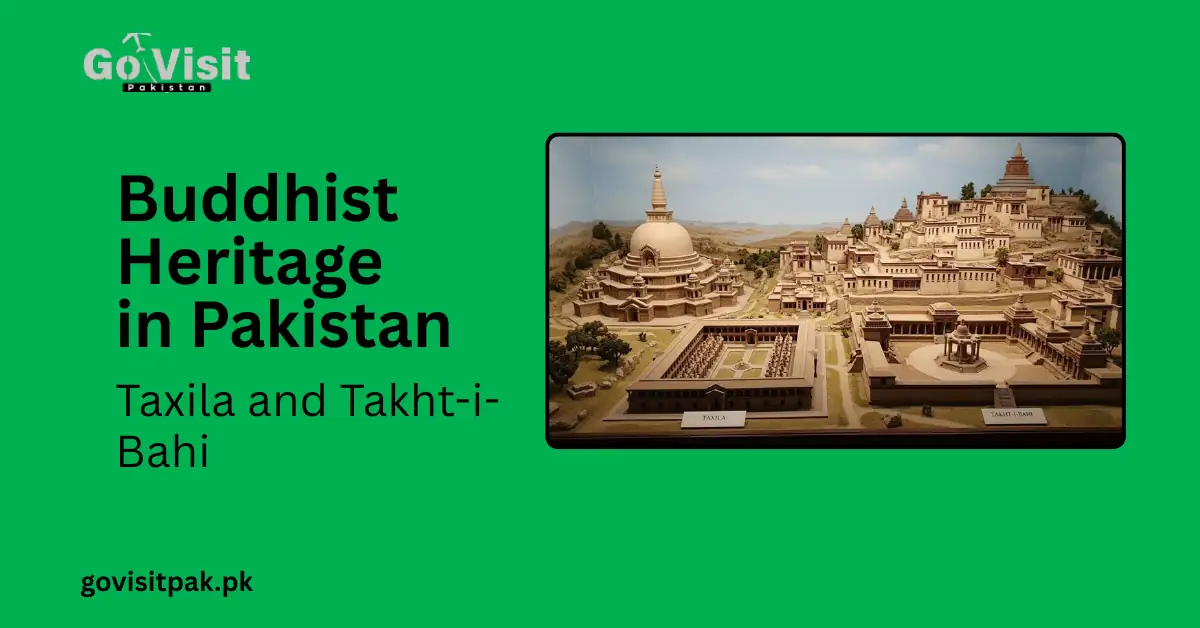
In this blog, you will read about Pakistan’s Buddhist heritage, particularly the ancient ruins of Taxila and Takht-i-Bahi.
These serene locations were earlier centres of learning, art, and religion at the time of the Gandhara civilization over 2,000 years ago.
You will read how Buddhism was propagated by King Ashoka, how exquisite Buddha sculptures were crafted, and why these locations are on the UNESCO World Heritage Sites.
The blog also describes what Pakistan is doing to safeguard these treasures nowadays.
These places tell us that peace, wisdom, and kindness are universal values that continue to motivate individuals on this earth.
Pakistan is a country full of tales, peace, and wisdom.
As you stroll through its green valleys and ancient cities, you can almost hear the voices of the past.
The land has serene Buddhist heritage in Pakistan, where each stone speaks of love, learning and peace.
From towering stupas to serene monasteries, these destinations transport us to a bygone era when monks and travellers delved into the pursuit of truth.
The Buddhist monuments of Pakistan are not mere ancient structures.
They are active lessons from the past. They remind us of the art, culture and religion which once dominated this land.
The ancient walls, sculptures and carvings reveal how much the people loved their learning and religion.
Among all these great sites, two are the most precious — Taxila and Takht-i-Bahi.
They are both included in the UNESCO Buddhist world heritage sites of Pakistan and are famous throughout the world for their beauty and history.
Once upon a time, these sites were bustling with monks, schools and devotees.
They are standing peaceful now, bringing us nearer to the core of the Gandhara civilization, where Buddhism once flourished.
What is the History of Buddhism in Pakistan?
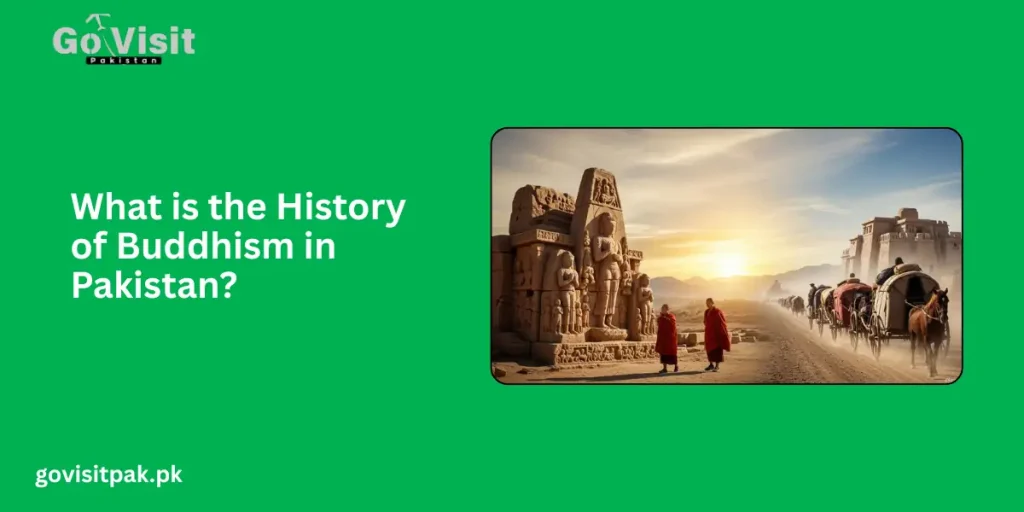
The history of Buddhism in Pakistan is extremely ancient — over 2,000 years old.
Before new cities were constructed, the land was inhabited by a great nation named Gandhara civilization.
It exists in cities such as Peshawar, Swat and Taxila. They were compassionate people who were also intelligent and fond of peace.
They spread the teachings of Buddhism to various parts of the world.
Then a very good king named Ashoka practiced Buddhism.
He constructed numerous Buddhist temples and stupas for travellers and monks.
King Ashoka wished love and peace for all. His Mansehra Rock Edicts can still be viewed today.
They are messages inscribed on large rocks, which impart care and kindness.
The Gandhara period was full of education and art.
Monks instructed in schools and artists created handsome Buddha statues in Pakistan.
Numerous travellers traveled from distant locations such as China to study and pray.
Most of the ancient monasteries in Pakistan were constructed during that period.
Those institutions were filled with peace and learning. They shed light on individuals who desired to know the truth. Even now,
when you go to see those ancient ruins, you experience the same peaceful atmosphere.
The Gandhara Civilization: The Home of Buddhist Art and Culture
The Gandhara civilization is one of the most well-known aspects of Pakistan’s history.
It was a unique region for Buddhist culture and art. Here, religion and art blended.
The painters created beautiful carvings and sculptures depicting the life of Buddha.
They were not simply adornments. They depicted love, peace and wisdom.
The Buddha figures of Pakistan had soft smiles, peaceful faces and benevolent eyes.
They were crafted using stone and clay and painted gold or red. Some of these ancient and lovely pieces are preserved in the Peshawar Museum today.
Here in Gandhara, art and religion existed together. Buddhist structures were constructed here for the first time in Pakistan.
Several stupas and temples were constructed skillfully on hills and in valleys. Taxila, Takht-i-Bahi, and the Swat Valley are the major ancient places of Gandhara.
Each one has its own ancient history and beauty.
You can visualize monks strolling slowly, teaching students and praying in front of tall stupas.
The Gandhara land bridged the East and the West and demonstrated how peace, love, and knowledge can unite the world.
Taxila: The Ancient Center of Learning and Faith
Taxila Buddhist ruins are one of the most significant Buddhist sites Pakistan boasts.
Situated close to Islamabad, Taxila used to be a great and populous city with temples, monasteries, and schools.
It was a veritable hub of Buddhist architecture in Pakistan and a key center of learning in Asia.
Taxila once welcomed students from across the world. They traveled to learn medicine, science and Buddhism.
The renowned History of Taxila University informs us it was among the first known universities on this planet.
Tourists now can visit numerous stunning ruins in Taxila, such as Dharmarajika Stupa, an ancient stupa in the area.
The Jaulian Monastery and Mohra Muradu are also favored destinations dotted with sculptures and carvings.
The Sirskap site still displays the ancient walls and streets of the city.
Walking along these Buddhist sites in Pakistan which are very old, one experiences the close connection between faith and learning.
The serene atmosphere and inscribed stones speak volumes about how much people honored learning and religion.
Taxila is indeed a shining example of the Buddhist heritage in Pakistan.
Archaeological Significance of Taxila
The archaeological significance of Taxila and Takht-i-Bahi is gigantic.
Taxila is famous for its well-preserved archaeological sites of Gandhara which are the stories of religion, commerce, and art.
The History of Taxila University indicates that learning was highly esteemed here.
Digs here have revealed artifacts, coins and ceramics that give us insight into life several thousand years ago.
The archaeological significance of Taxila is not just its beauty, but the fact that it is associated with Buddhism’s expansion in Asia.
All the stones here have stories of study to tell.
The monasteries and stupas were constructed in a state of harmony with the environment.
The UNESCO Buddhist heritage sites in Pakistan are marked with Taxila owing to its international significance.
When people visit this serene location, they discover more than ruins; they discover history lessons and patience.
The ruins of monks’ residences and classrooms reveal how much wisdom previously resided here.
The ancient Buddhist sites in Pakistan such as Taxila make one proud of the rich history of the country and encourage people to preserve these treasures for the next generation.
Takht-i-Bahi Monastery: A Symbol of Faith and Architecture
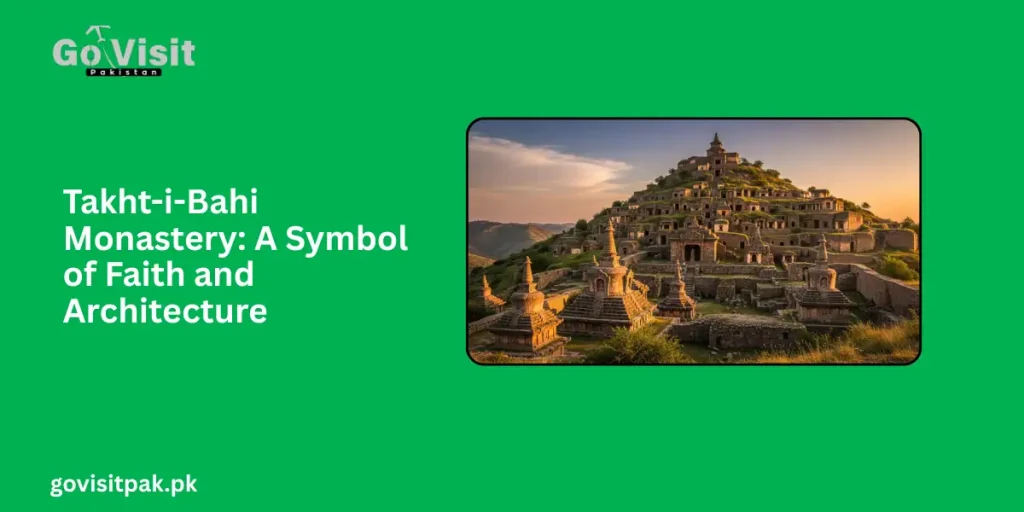
The Takht-i-Bahi monastery Pakistan is situated atop a hill close to Mardan.
It is perhaps one of the prettiest ancient monasteries in Pakistan and an outstanding example of Buddhist architecture in Pakistan.
The term Takht-i-Bahi translates into “Throne of the Water Spring,” and it perfectly suits as the surroundings are serene and sacred.
- It was constructed in the 1st century, this monastery was in use for centuries.
- There are prayer halls, rooms for meditation, stupas, and tiny abodes for monks. All of these were constructed with devotion and love.
- When you stroll through these ruins, you can envision the monks meditating and chanting in silence.
- The building remains intact, giving testament to the craftsmanship and dedication of the individuals who constructed it.
- The UNESCO World Heritage Buddhist sites in Pakistan include Takht-i-Bahi because it is among the better-preserved relics of early Buddhist civilization.
The location also features a connection with the archaeological significance of Taxila and Takht-i-Bahi, illustrating
how the two cities were culturally and designed similarly.
The top gives a breathtaking view with hills and golden light that leaves your heart peaceful.
UNESCO World Heritage Buddhist Sites in Pakistan
The UNESCO Buddhist heritage sites of Pakistan are both Taxila and Takht-i-Bahi monastery Pakistan.
These sites are not only significant for Pakistan but for the entire world.
They indicate the solid roots of Buddhism in South Asia.
- The UNESCO World Heritage Buddhist monuments in Pakistan are preserved because they signify religion, education, and art of over two millennia ago.
- They also draw tourists and scholars interested in studying the Buddhism of ancient Gandhara civilization.
- The Buddhist pilgrimage of Pakistan will usually cover these two locations, as well as other places such as Swat Valley and Peshawar.
- Each of these sites reveals a different aspect of the history of how Buddhism influenced Pakistan’s past.
- These Pakistan Buddhist stupas and monasteries are valuable cultural treasures.
- They inform us about the Buddhist heritage in Pakistan and the peace-loving individuals who constructed them.
The UNESCO recognition guarantees that future generations can also view and experience this religious splendor.
Buddhist Art, Sculptures, and Stupas in Pakistan
The Buddhist culture and art in Pakistan are gems that speak of peace and imagination.
During the Gandhara civilization, masters created stunning Buddha sculptures in Pakistan.
These paintings depict Buddha in various poses — meditating, teaching, and blessing.
Most of these sculptures are housed in the Peshawar Museum, which contains relics of Taxila, Swat, and Mardan.
These artifacts present delicate details, from the folds of clothes to the peaceful faces.
The Buddhist monasteries and stupas were constructed as prayer sites.
The Butkara Stupa in Swat and Dharmarajika Stupa in Taxila are the best examples of this art.
The Archaeological sites in Gandhara have innumerable carvings depicting the life story of Buddha.
This beauty bridges the ancient sites of Buddhism in Pakistan to our current times, reminding us that peace does not exist anywhere but in learning, respect and art.
Tourism and Pilgrimage: Visiting Buddhist Sites in Pakistan
Modern tourists from across the globe come to the top Buddhist sites to see in Pakistan.
From the lush Swat Valley to the Taxila hills, each destination provides serenity and awe.
- The Buddhist pilgrimage to Pakistan encompasses visits to Takht-i-Bahi, Dharmarajika Stupa, Jaulian Monastery, and the Peshawar Museum.
- Most tourists are struck by the heritage tourism Pakistan provides through these revered sites.
- Every site makes visitors feel nearer to the ancient world of monks and meditation.
- The Buddhist architecture in Pakistan inspires artists and historians alike.
- One can walk over these ruins with hearts full of peace and respect for the people who constructed them.
If you ever want to travel in silence and learn from history, these Buddhist sites in Pakistan will receive you with open arms and soft silence.
Why Taxila and Takht-i-Bahi are Important to World History?
The question very often comes up — Why is Takht-i-Bahi renowned in Buddhism? The reason is its beauty and design. It is one of the finest preserved monasteries in Asia.
- The history of the Taxila Buddhist site is also equally strong; it was once the hub of Buddhist art and study.
- Together, they are the real Buddhist heritage in Pakistan. They reflect the way the doctrine of kindness and wisdom moulded societies.
- These are not mere stones; they are the symbols of the world’s common history.
- Tourists from all over the world come to visit these UNESCO World Heritage Buddhist monuments in Pakistan and find out how religion can bridge cultures.
- Both sites are the proud heritage of the archaeological significance of Taxila and Takht-i-Bahi, linking the ancient world of Gandhara to contemporary Pakistan.
Preservation and Protection of Buddhist Monuments
The archaeological significance of Taxila and Takht-i-Bahi makes them irreplaceable.
But weather and time have taken their toll. That’s why the UNESCO Buddhist heritage sites in Pakistan are being carefully preserved.
- Teams of professionals work to restore walls, sculptures, and stupas. Locals also assist in keeping the area clean and safe.
- The heritage tourism Pakistan authorities show people how to respect these sites.
Conservation is not only about conserving stones — it’s about preserving culture and memories.
The ancient monasteries in Pakistan and Buddhist stupas and monasteries speak of peace that is shared with the world.
We all have a responsibility to guard these treasures so that future.
generations of children can stroll among them and experience the same magic that we do today.
Conclusion:
The Buddhist legacy in Pakistan is a connection between the past and present.
It is a narration of education, love, and hope. The Buddhist sites of Pakistan such as Taxila and Takht-i-Bahi are reminders that religion and art can exist forever.
When we go to these ancient Buddhist places in Pakistan, we feel serene and dignified.
These sites reflect the compassion and wisdom of those who lived here before.
The UNESCO Buddhist heritage places in Pakistan are a guarantee that their wisdom will never be lost.
The country of Pakistan still carries the essence of the Gandhara civilization — the essence of peace which continues to inspire the world.
FAQs:
Where are the Buddhist sites situated in Pakistan?
The majority of the Buddhist sites are in northern Pakistan, around Taxila, Swat Valley and Mardan.
How old are Buddhist ruins in Pakistan?
Most of the ruins are more than 2,000 years old, from the Gandhara period.
What is the history of the Taxila Buddhist site?
Taxila was an ancient center of learning and the site of stupas and monasteries.
Why is Takht-i-Bahi famous in Buddhism?
Because it is among the best-preserved monasteries in ancient Asia and presents the life of the monks beautifully.
Why is Pakistan significant to Buddhist heritage?
Its locations contain the origins of initial Buddhism and symbolize peace, learning and artwork that molded Asia.
For what is the Gandhara civilization famous?
The Gandhara civilization was famous for its distinctive art style that combined Greek and Buddhist styles. The art exquisitely depicted the life of Buddha in sculpture and stone carvings.
Which is the most ancient Buddhist site in Pakistan?
The Dharmarajika Stupa at Taxila is one of the earliest Buddhist places in Pakistan. It was erected in the 3rd century BCE and was constructed during Emperor Ashoka’s reign.
What do the visitors see in the Buddhist places in Pakistan today?
Tourists are free to visit ancient monasteries, stupas, stone carvings, and relics that narrate stories of the life and teachings of Buddha. All these places also have museums showing restored artifacts.
Are Buddhist sites in Pakistan open to tourists?
Yes, all Buddhist heritage sites are open to tourists. The government safeguards them as part of Pakistan’s cultural heritage and welcomes history-loving and spiritually inclined people.
In what ways does Pakistan maintain its Buddhist heritage?
Pakistan maintains its Buddhist heritage by the restoration works, museum exhibits, and collaboration with UNESCO in order to safeguard ancient ruins from destruction and to boost cultural tourism.